How the Enneagram Helps Couples Understand Conflict
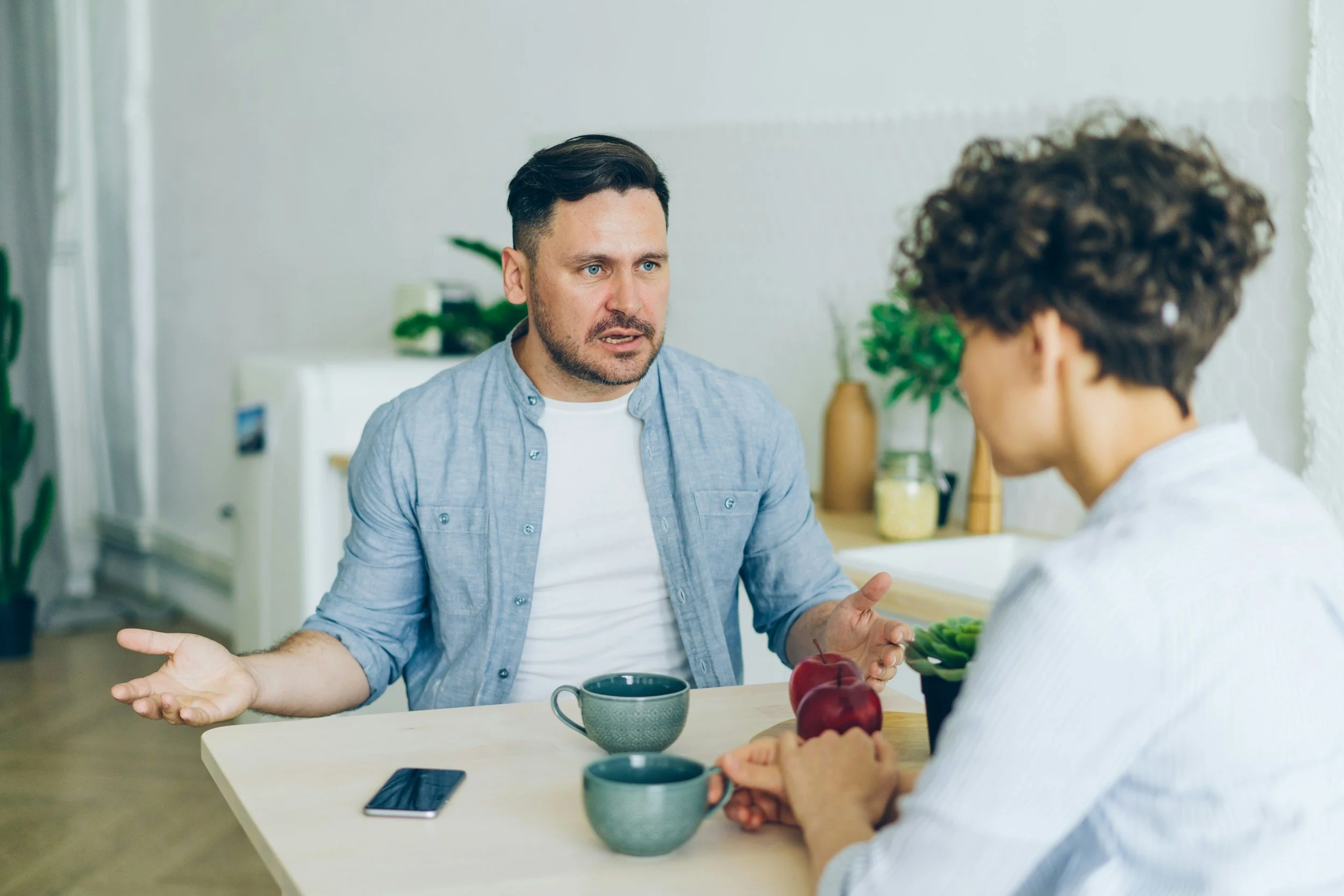
Most couples don’t struggle because they don’t know how to communicate.
They struggle because conflict activates something deeper than words.
By the time an argument shows up on the surface—about chores, parenting, intimacy, or time—each partner’s nervous system is already responding to a perceived threat. Often, this happens before either person consciously realizes what’s going on.
The Enneagram helps couples understand conflict by identifying the emotional needs and fears each partner is protecting beneath the argument.
When those patterns are recognized, conflict becomes less personal, less reactive, and far more workable.
Why Conflict Feels So Intense in Relationships
From a clinical perspective, conflict isn’t just a disagreement.
It’s a threat response.
In moments of tension, every person is trying to protect something essential, such as:
safety
connection
autonomy
certainty
worth
When couples don’t understand what’s being protected, conflict escalates quickly and feels endless.
When they do, conflict becomes informative instead of explosive.
Conflict Is About Protection—Not Personality
The Enneagram reveals what each person is most sensitive to losing in moments of stress, and how that fear shows up in conflict.
This is why the same argument can repeat for years—even when both partners genuinely care.
It’s not stubbornness.
It’s protection.
How Each Enneagram Center Experiences Conflict
Before looking at individual types, it’s helpful to understand the three Enneagram Centers of Intelligence, because conflict escalates differently depending on where a person leads.
The Gut Center (Enneagram Types 8, 9, 1)
Conflict as a boundary and autonomy issue
Gut types experience conflict instinctively and physically. Tension often feels like a loss of control, autonomy, or internal stability.
Type 8 may move toward conflict with intensity or confrontation, protecting against vulnerability or powerlessness.
Type 9 may withdraw, shut down, or minimize their needs to preserve peace.
Type 1 may become rigid, critical, or internally tense, trying to restore order or “rightness.”
Core question in conflict:
“Is it safe for me to exist as myself here?”
The Heart Center (Enneagram Types 2, 3, 4)
Conflict as a threat to connection and worth
Heart types experience conflict relationally and emotionally. Tension can feel like rejection, disconnection, or loss of value.
Type 2 may over-function, people-please, or become emotionally reactive when feeling unappreciated.
Type 3 may shift into defensiveness, performance, or image management to protect against failure or disapproval.
Type 4 may withdraw, intensify emotions, or feel deeply misunderstood when their inner experience isn’t mirrored.
Core question in conflict:
“Am I still loved, valued, or seen?”
The Head Center (Enneagram Types 5, 6, 7)
Conflict as a security and certainty issue
Head types experience conflict cognitively. Tension activates fear about what might happen next.
Type 5 may retreat, intellectualize, or disengage to conserve energy and maintain clarity.
Type 6 may question, worry, or seek reassurance while scanning for danger or instability.
Type 7 may reframe, distract, or avoid discomfort to escape feelings of limitation or pain.
Core question in conflict:
“What could go wrong—and how do I stay safe?”
Why Couples Get Stuck in the Same Arguments
Most recurring conflicts aren’t about the content of the disagreement.
They’re about misaligned protection strategies.
One partner may push for resolution while the other shuts down.
One may seek reassurance while the other needs space.
One may escalate emotionally while the other retreats internally.
Without awareness, these differences feel like rejection or hostility.
With Enneagram insight, they can be understood as different ways of seeking safety.
How the Enneagram Changes Conflict Conversations
The Enneagram shifts the central question from:
“Who’s right?”
to:
“What is each of us protecting right now?”
That shift alone can soften defensiveness and increase empathy.
Instead of reacting to behavior, couples begin responding to the need underneath it. Over time, this creates a calmer emotional climate—even when disagreements remain.
Using Enneagram Awareness in Real-Time Conflict
The goal isn’t to fix conflict instantly.
It’s to slow the moment enough for connection to stay intact.
This can sound like:
“I notice I’m getting controlling when I feel overwhelmed.”
“I think I’m pulling away because I don’t feel safe yet.”
“I’m realizing I’m afraid of being misunderstood right now.”
These statements don’t resolve everything—but they interrupt escalation and invite collaboration instead of defense.
When Conflict Becomes a Teacher, Not a Threat
Enneagram work in relationships doesn’t eliminate conflict or predict behavior.
It creates awareness.
And awareness creates options.
When couples understand their patterns, they gain language.
When they gain language, they gain choice.
And when they have choice, conflict becomes far less frightening.
Frequently Asked Questions
Do both partners need to know their Enneagram type?
No. One partner’s awareness can shift the entire dynamic.
Can Enneagram work help long-term couples?
Yes. Patterns often become clearer over time, making insight even more powerful.
Does Enneagram work replace couples therapy?
No. It complements relational work by increasing insight and emotional safety.
The Reframe That Changes Conflict
Conflict isn’t a failure in relationships.
It’s information about what each partner is protecting emotionally.
The Enneagram helps couples see those protections with clarity instead of blame—and that’s where repair becomes possible.
Want more Enneagram-informed relationship insight?
If this resonated, you’re warmly invited to join my Enneagram newsletter—a gentle space for clarity, reflection, and practical tools you can actually use.
👉 Join here: https://emily-zeller.myflodesk.com/growwithmoreclarity
—
Emily Zeller, LMFT is a licensed marriage and family therapist with advanced training in the Enneagram and perinatal mental health. She specializes in Enneagram typing, relationship dynamics, and identity development—helping couples move from reactivity to understanding.